Understanding the FDA: How It Functions and Its Impact on Public Health
The FDA plays an essential role in safeguarding public health through its regulation of food, drugs, and medical devices. Formed more than a century ago, it has established a broad framework for examining product safety and effectiveness. Yet, the organization deals with notable challenges in responding to quick technological innovations and limited resources. Recognizing the elaborate aspects of the FDA's work uncovers substantial details regarding its impact on health and safety. What awaits this crucial agency?
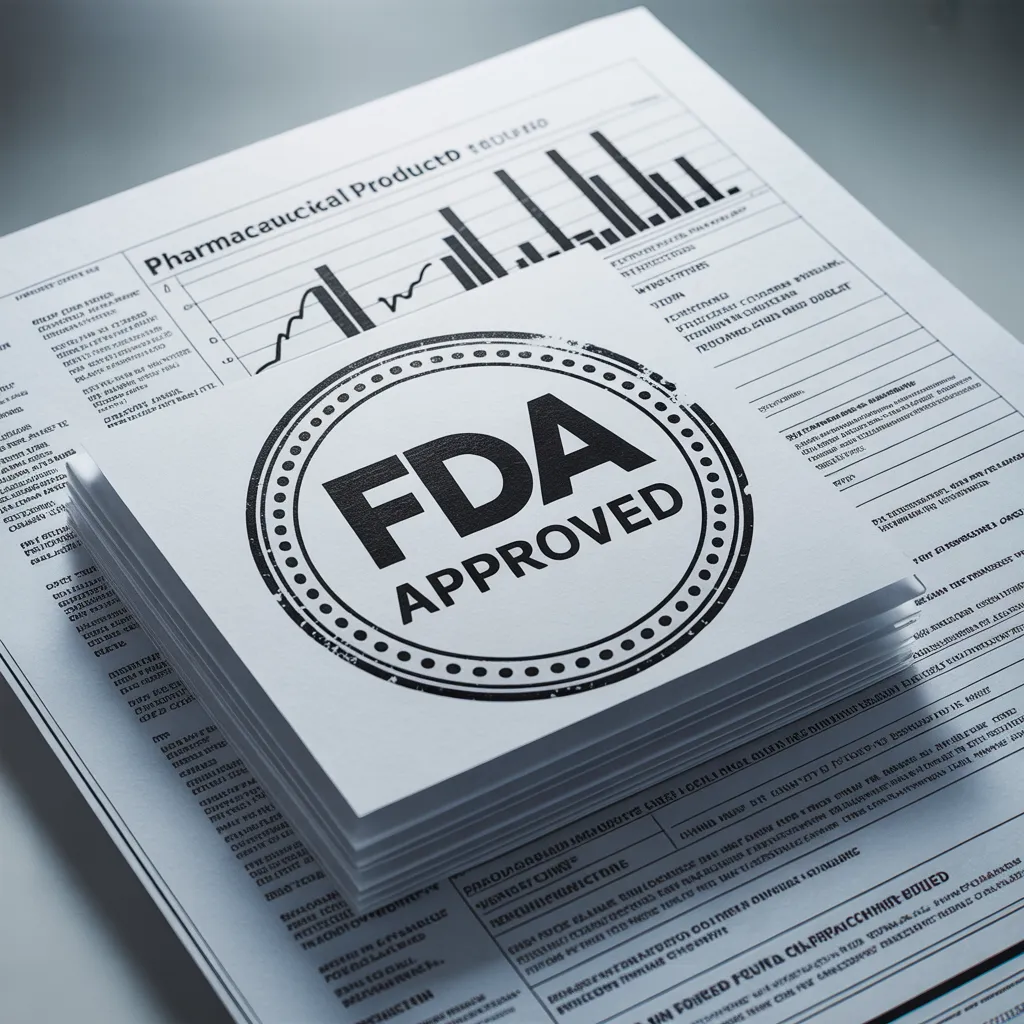
The FDA's History and Mission
Though the FDA was formally established in 1906, its origins stem from earlier endeavors in the 19th century aimed at regulating food and drug safety. The Pure Food and Drug Act, implemented in response to rising public concern over unsafe practices and deceptive labeling, marked a pivotal moment in consumer protection. This legislation intended to verify that food and drugs were safe, effective, and accurately portrayed. The mission of the FDA progressed as it aimed to secure public health, supervising the safety of food, pharmaceuticals, and medical devices. Through the years, the agency has modified its regulatory framework to tackle emerging challenges, such as the introduction of new technologies and the globalization of the supply chain. By giving priority to scientific evidence and public welfare, the FDA remains dedicated to its foundational mission, working to protect consumers and boost the safety and efficacy of products available in the marketplace.
The FDA's Structure and Organization
The structure and organization of the FDA are designed to effectively fulfill its mission of protecting public health through the regulation of food, drugs, and medical devices. Operating under the Department of Health and Human Services, the agency includes various centers that each specialize in distinct regulatory areas. The Center for Drug Evaluation and Research oversees pharmaceuticals, while the Center for Food Safety and Applied Nutrition manages food products. Medical devices and radiation-emitting products are regulated by the Center for Devices and Radiological Health.
In addition, the FDA features several offices dedicated to research, policy development, and compliance. These branches ensure that the agency can manage public health emergencies and maintain high standards for safety and efficacy. The FDA's organizational structure facilitates collaboration across these centers, promoting a extensive approach to health regulation and fostering innovation while safeguarding consumer interests.
Regulatory Processes for Pharmaceuticals
Throughout pharmaceutical development, strict regulatory procedures ensure that products are safe and effective before reaching consumers. The U.S. Food and Drug Administration (FDA) supervises this procedure, which includes various crucial phases. At first, pharmaceutical companies conduct preclinical testing to examine a drug's safety and biological activity using laboratory research and animal testing. Following successful results, companies send a New Drug Application (NDA) to the FDA, outlining their results and requesting permission for human trials.
Once approved, clinical trials begin in three phases, reviewing safety, dosage, and efficacy in increasing numbers of human participants. After finalizing these trials, the data is forwarded for FDA review. The FDA examines the evidence and determines whether to approve the drug for public use. Following approval, the FDA keeps monitoring the drug's safety through adverse event reporting and ongoing studies, guaranteeing that any long-term effects are understood and managed effectively.
Food Safety Requirements and Inspections
Guaranteeing that food products are protected for consumption is a main responsibility of the FDA, which creates stringent food safety standards and conducts regular inspections. These standards cover numerous aspects such as food production, processing, packaging, and distribution, designed to decreasing risks of contamination and ensuring nutritional quality.
The FDA uses a risk-based approach to inspections, giving priority to facilities according to their potential risks and compliance history. Inspections can be routine or triggered by reports of foodborne illnesses. Inspectors examine adherence to safety protocols and may enforce corrective actions when necessary.
Moreover, the FDA works with state and local health agencies to improve food safety initiatives, sharing data and resources to address new threats. Through these comprehensive measures, review now the FDA plays a vital role in safeguarding public health, ensuring that consumers have access to safe and wholesome food products.
Understanding the FDA's Role in Medical Devices
Medical devices fulfill a critical purpose in contemporary healthcare, and the FDA is tasked with regulating these products to ensure their safety and effectiveness. The FDA categorizes medical devices into three classifications based on risk: Class I, Class II, and Class III. Class I devices, considered low-risk, require general controls, while Class II devices demand additional regulatory examination through premarket notifications. Class III devices, which carry the highest risk, undergo stringent premarket approval processes to demonstrate their safety and efficacy.
The FDA reviews manufacturing practices, clinical data, and labeling to validate that devices comply with established standards. This oversight process not only safeguards public health but also supports innovation by delivering a clear pathway for the introduction of new technologies. By maintaining strict regulations, the FDA ensures that medical professionals and patients can depend on the medical devices they use, ultimately improving the overall quality of care in the healthcare system.
Challenges Faced by the FDA
Managing the intricate landscape of healthcare innovation poses significant challenges for the FDA. One of the main obstacles is the rapid pace of technological advancement, which often exceeds existing regulatory frameworks. This produces a gap where new products may penetrate the market with inadequate oversight, creating potential risks to public health. Moreover, the FDA faces challenges from diverse stakeholders, including pharmaceutical companies, healthcare providers, and patients, all of whom have varying expectations and demands concerning the approval process.
Financial restrictions further compound the FDA's capacity to properly assess new products. Budget limitations can lead to delays in the review process, which may prevent timely access to essential medical innovations. Additionally, managing public perception and trust is critical; any missteps in regulation can undermine confidence in the agency's ability to safeguard public health. Collectively, these challenges demonstrate the delicate balance the FDA must maintain in supporting innovation while ensuring safety.
The Future of FDA Regulations and Public Health
As the FDA addresses the challenges within today's healthcare landscape, the future of its regulations will play a pivotal role in shaping public health outcomes. Expected technological progress and analytical capabilities are positioned to shape regulatory approaches, facilitating more agile and proactive methodologies. The FDA may place greater focus on real-time monitoring of health trends, supporting timely responses to new public health concerns.
In addition, the integration of individualized medical treatment into healthcare could trigger revisions in approval processes and safety assessments, prioritizing patient-specific outcomes. As the population ages and chronic diseases escalate, the FDA will need to handle varied health needs while ensuring equitable access to innovative treatments.
Working with international regulatory agencies may also enhance global health standards. In general, the evolution of FDA regulations will demonstrate a commitment to safeguarding public health while fostering innovation and addressing contemporary challenges in healthcare delivery.
Common Questions
How Does the FDA Address Public Complaints Related to Products?
The FDA addresses public complaints by investigating reports, evaluating product safety and effectiveness, and when necessary implementing recalls or regulatory actions. They focus on consumer safety, ensuring products meet established standards and responding to public concerns quickly.
What Role Does the FDA Play in Dietary Supplements?
The FDA regulates dietary supplements by guaranteeing safety, labeling accuracy, and manufacturing quality. Though it doesn't approve supplements before they hit the market, it observes adverse effects and enforces compliance with established regulations.
Is the FDA Able to Regulate Tobacco Products?
The FDA has the authority to regulate tobacco products. The agency supervises the manufacturing, advertising, and distribution processes, seeking to decrease tobacco-related harm. Regulations include advertising restrictions, cautionary labels, and product standards to preserve community health and prohibit youth acquisition.
How Does the FDA Communicate Recalls to the Public?
The FDA shares recalls to the public through press releases, social media updates, and notifications on its website. These platforms guarantee widespread awareness, allowing consumers to make informed decisions concerning their health and safety.
How Does the FDA View Alternative Medicine?
The FDA recognizes alternative medicine but emphasizes rigorous scientific evidence for safety and efficacy. It controls some products as dietary supplements or medical devices while cautioning consumers against unproven claims and potential health risks.